 WiseWeightChoices
Understanding Body Weight Management Through Nutrition Science
Explore evidence-based information about how nutrition, metabolism, and lifestyle factors influence body weight and composition. This site provides educational information to help you understand the science behind nutrition and body weight.
Educational content only. No medical services. No promises of outcomes.

Introduction to Nutrition Science
Nutrition science is the study of how food affects the human body. It examines the composition of foods, how nutrients are absorbed, metabolized, and used by the body. Understanding these basic principles helps explain why different foods have different effects on our bodies and energy levels.
Body weight is influenced by many factors working together: the energy provided by food (calories), how efficiently your body processes this energy (metabolism), physical activity levels, sleep quality, stress levels, and genetic factors. These elements interact in complex ways that go beyond simple calorie counting.
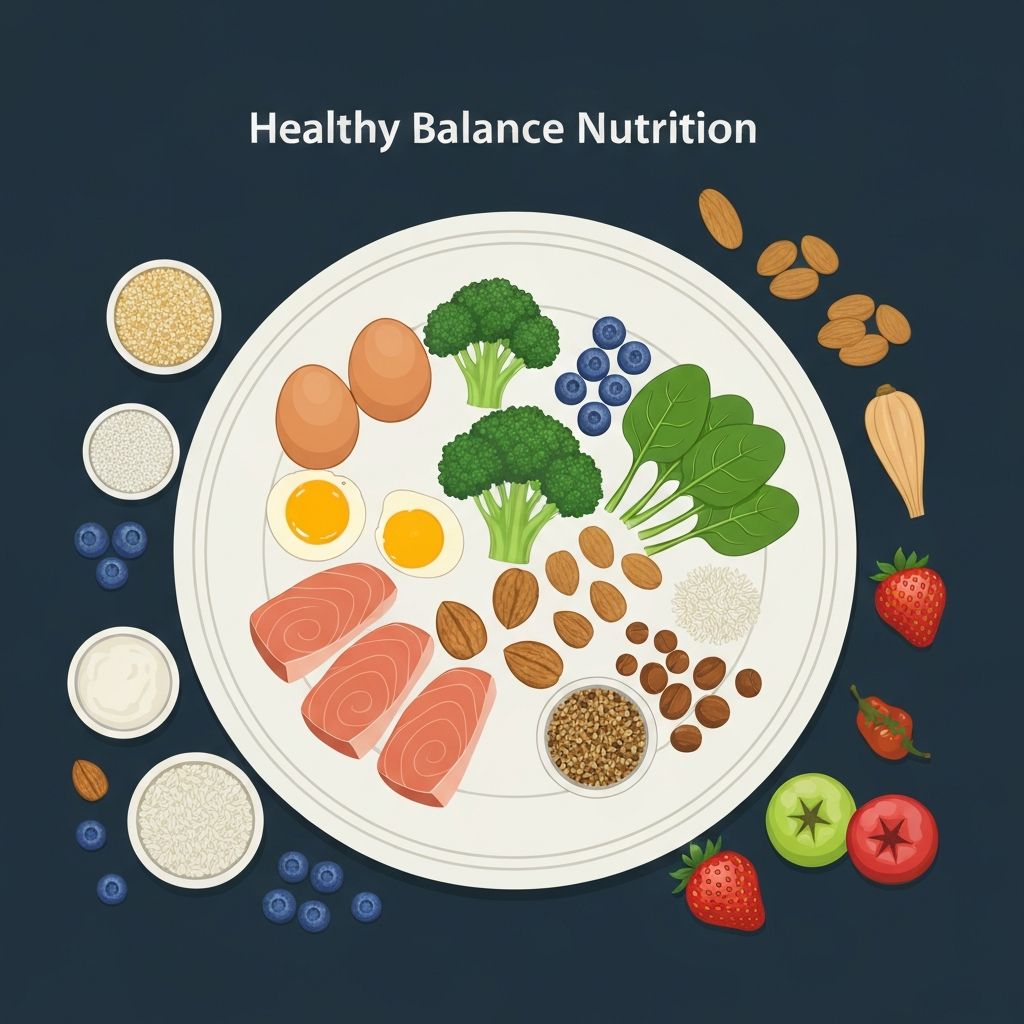

Role of Macronutrients in Daily Energy Balance
Macronutrients are the three main components of food: carbohydrates, proteins, and fats. Each plays a distinct role in your body:
Carbohydrates are your body's primary energy source. They're found in grains, vegetables, fruits, and legumes. Your digestive system breaks them down into glucose, which fuels your brain and muscles.
Proteins are essential for building and maintaining muscle tissue, producing enzymes, and making hormones. Sources include meat, fish, eggs, legumes, and dairy products.
Fats support hormone production, protect organs, and help absorb vitamins. Healthy sources include nuts, seeds, olive oil, and fatty fish.
The proportion of macronutrients in your diet, combined with overall energy intake and physical activity, influences energy balance and body composition.
How Sleep and Stress Influence Energy Use
Sleep and stress are often overlooked factors in understanding body weight, yet they significantly impact how your body manages energy:
Sleep Quality
During sleep, your body performs essential metabolic and hormonal functions. Adequate sleep supports normal hunger and satiety hormones. Sleep deprivation can affect energy regulation and how your body processes nutrients.
Stress Response
Chronic stress triggers hormonal changes that affect appetite, food preferences, and metabolic processes. Understanding the stress-body weight connection helps explain why stress management is considered important for overall health.
Recovery and Metabolism
Both sleep and stress management influence how quickly your body recovers from physical activity and how efficiently it manages energy. These factors work together with diet and exercise in the overall energy balance picture.
Additional Key Factors
Hydration
Water is essential for nearly every metabolic process. Proper hydration supports digestion, nutrient transport, and energy production. While drinking water doesn't directly cause weight loss, adequate hydration is important for overall metabolic function.

Physical Activity and Energy Balance
Physical activity is an important component of energy balance. Exercise expends energy, can help build muscle mass, and influences metabolic health. The type, duration, and intensity of activity all affect energy expenditure differently.
Even light activity, such as regular walking or daily movement, contributes to overall energy balance. Different people benefit from different types of physical activity based on their individual circumstances and preferences.
Blog Articles
Explore our detailed articles covering key topics in nutrition science:
What really determines energy balance: calories in vs calories out explained
Understand the scientific foundations of how energy balance works and why it's more complex than simple arithmetic.
Read the full articleThe role of protein, fats and carbohydrates in everyday nutrition
Learn about macronutrients and how each plays a different role in your body's functioning and energy provision.
Read the full articleWhy sleep matters for metabolic health and body composition
Discover the scientific connections between sleep quality and metabolic processes.
Read the full articleFrequently Asked Questions
What is the difference between weight and body composition?
Weight is your total body mass, while body composition refers to the ratio of muscle, fat, bone, and water. Two people of the same weight can have very different body compositions. Body composition is often considered more relevant to health than weight alone.
Is all calories the same?
While a calorie is a unit of energy, different foods affect your body differently. The source of calories (carbohydrates, proteins, fats), the foods they come from, and your individual metabolism all influence how your body processes them and how you feel after eating.
What role does metabolism play in weight?
Metabolism is how your body converts food into energy. It includes your basal metabolic rate (energy needed at rest), the energy cost of digesting food, and energy spent on activity. Metabolism varies between individuals based on age, genetics, muscle mass, and activity level.
Can specific foods increase metabolism?
Some foods require more energy to digest than others (the thermic effect of food), but the effect is modest. No single food dramatically increases metabolism, though adequate protein intake and physical activity that builds muscle can support a healthy metabolic rate.
How does physical activity affect body weight?
Physical activity expends energy and can help build muscle mass, which has metabolic benefits. The type and amount of activity needed varies by individual. Regular movement and exercise are generally considered important for health, though the weight outcomes depend on the broader context of diet and lifestyle.
Is this site a substitute for medical advice?
No. This site provides educational information only and is not a substitute for personalized medical advice. If you have health concerns or questions about your individual situation, please consult a qualified healthcare professional.
Why is there so much conflicting information about diet?
Nutrition science is complex and continues to evolve as research deepens. Different approaches may work for different people based on their genetics, lifestyle, and preferences. This is why personalized guidance from healthcare professionals is important for individual decisions.
What is energy balance?
Energy balance is the relationship between energy intake (food consumed) and energy expenditure (calories burned through activity and metabolism). Understanding energy balance is fundamental to understanding how body weight changes over time.
Educational content only. No medical services. No promises of outcomes.